Sustainable fishing principles
We prioritize long-term sustainability over short-term gains by maintaining healthy fish stocks and minimizing environmental impact. The FFIA fully supports the Ministry of Fisheries, the Forum Fisheries Agency (FFA), and the Western and Central Pacific Fisheries Commission (WCPFC) in advancing regional sustainability goals. Our aim is to ensure that ocean resources are protected without compromising the economic prosperity and continuity of Fiji’s fishing industry.
Science-based management
Our decision-making is driven by the best available science, including stock assessments and regional fisheries data coordinated through the WCPFC and the Pacific Community (SPC). FFIA strongly believes in using science-based research to inform fisheries policy and actively aligns with the collective decisions adopted at WCPFC General Assemblies. We work hand in hand with government partners to achieve the intended outcomes of regional conservation and management initiatives.
Resource protection measures
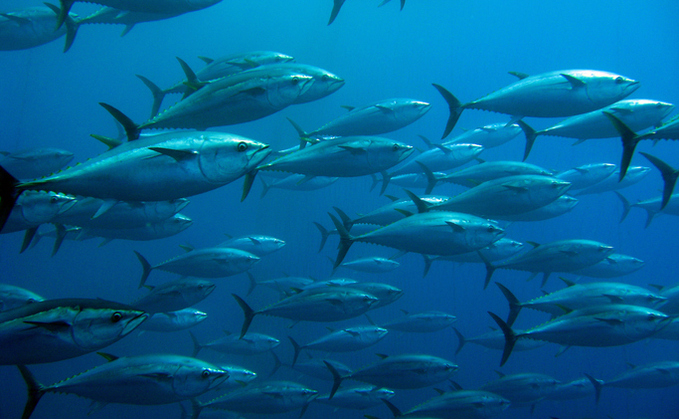
Fiji has implemented strong regulatory controls, including a cap on fishing vessel licenses, catch limits, and seasonal closures to preserve tuna stocks and protect marine ecosystems. FFIA and its members fully respect these regulatory boundaries and are committed to operating responsibly within them.
Long-term harvest strategies
Tuna is a highly migratory species, and natural seasonal shifts have a significant impact on fishing activities. FFIA members have developed long-term harvest strategies that balance economic resilience with the sustainable use of tuna resources. These strategies are designed to protect the future of the industry while ensuring the long-term health of fish stocks.
Protecting longline fishery by catch – sea birds, sea turtles and sharks
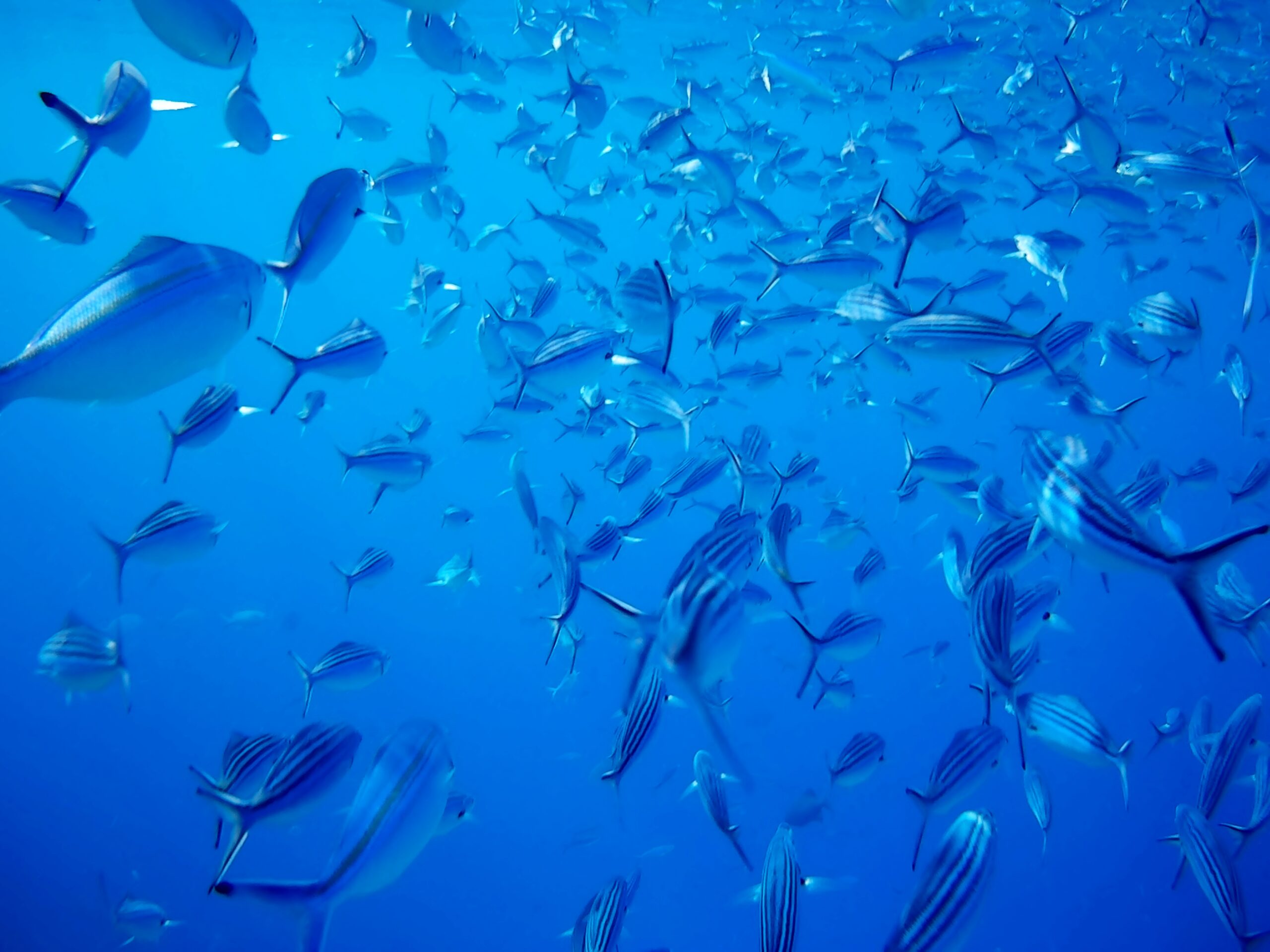
We recognize the interconnectedness of ocean species and habitats and incorporate ecosystem health into our fishing practices. FFIA vessels operate exclusively using selective longline methods within traditional fishing grounds — minimizing bycatch, avoiding habitat destruction, and supporting biodiversity. In addition, FFIA actively encourages the implementation of dolphin-safe practices and other species protection measures to ensure responsible interactions with vulnerable marine life. Our commitment extends to supporting conservation of sharks, turtles, seabirds, and other non-target species through gear innovation, crew training, and adherence to global best practices.