Foundations of Ocean Governance
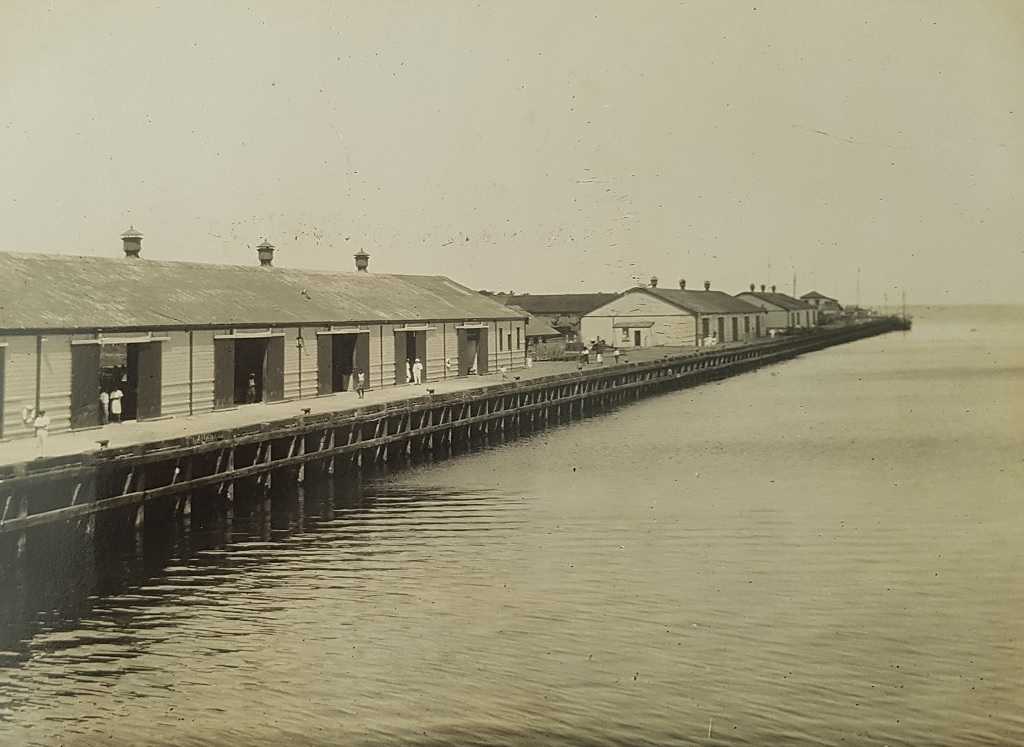
In its earliest days, Fiji’s role in the hunt for highly migratory fish stocks began when local crew from Suva joined foreign longline vessels from Taiwan, Japan and Korea operating freely across the open Pacific. Suva itself functioned as a key transit port, offering provisioning, bunkering and other shore-based services.
In 1964, the arrival of a Japanese-owned tuna cannery in Levuka deepened Fiji’s engagement in this sector. To supply the new plant, Fijians—led by the government-owned Ika Corporation—invested in a pole-and-line fishing fleet, both supporting the cannery and building local expertise in commercial fishing.
By the mid- to late-1980s, medium-scale tuna longliners using monofilament gear had reached the Pacific, paving the way for domestic longlining operations. Fiji was among the first Pacific nations to capitalise on this opportunity—boosted by the 1987 devaluation of the Fiji dollar, Air Pacific’s launch of a direct flight to Japan in early 1988, and strong government backing for export industries.
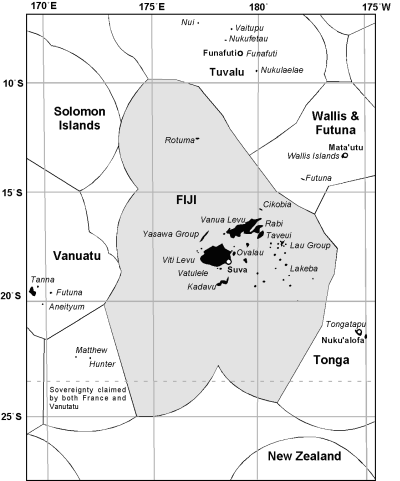
On the eve of COVID-19, Fiji operated the region’s largest national tuna longline fleet: 84 vessels in total (78 Fiji-flagged and owned, plus seven foreign-flagged vessels chartered by Fijian interests) fishing within our waters and in areas beyond national jurisdiction. While this placed Fiji at the forefront in the Pacific Islands, our fleet remains a fraction of the capacity held by distant-water fishing nations in the Western and Central Pacific Ocean.
Evolution of Fiji’s Tuna Industry
Before UNCLOS entered into force in 1994, fishing beyond three nautical miles from any coastal baseline was largely unrestricted. In 1982, Fiji—and most other Pacific island nations—signed and later ratified the United Nations Convention on the Law of the Sea, ushering in a new legal regime for ocean governance.
Anticipating those negotiations and seeking to build national capacity for sustainable management—particularly of highly migratory fish stocks—Pacific leaders established the Forum Fisheries Agency (FFA) in 1979. The FFA provided technical support and a unified voice for Pacific states during the UNCLOS drafting process.