
Fiji’s Tuna Industry: Building Prosperity Through Impact and Innovation
Fiji’s commercial tuna longline fishing industry, together with its fish processing and export sector, stands as one of the nation’s most strategically important economic pillars — generating substantial foreign exchange, creating employment, strengthening food security, and driving a diverse maritime economy. Its significance extends beyond economic contributions, delivering profound social and environmental benefits that touch nearly every facet of national life.
With a proven track record of sustainability and adherence to the highest international standards, the sector not only safeguards marine biodiversity but also supports global efforts to protect our oceans. Looking ahead, ongoing initiatives to position Fiji as the fish processing hub of the Pacific present significant opportunities to expand production capacity, boost value-added exports, create more jobs, and contribute further to the nation’s economic growth and development.
Leading Export and Foreign Exchange Earner
Tuna is one of Fiji’s top export commodities, consistently generating significant foreign exchange earnings. In 2022 alone, over 30,000 metric tons of fresh, frozen, and processed tuna were exported — earning over FJ$95 million. This makes the tuna sector a major contributor to Fiji’s foreign reserves and plays a vital role in improving the country’s balance of trade.
High Value Addition Compared to Other Sectors
Unlike extractive industries or low-margin exports, the tuna sector creates substantial domestic value through processing, traceability systems, certification, and cold chain logistics. The value-added ratio in the tuna longline sector can reach up to 36%, significantly higher than many other export sectors in Fiji. This means that more of the economic benefit stays within the country — supporting jobs, businesses, and government revenue.
Fiji’s National Tuna Longline Fleet: A Strategic Ocean Asset
Fiji’s national tuna longline fleet is a cornerstone of the country’s development — driving export growth, sustaining thousands of livelihoods, and supporting vital industries. As a globally recognized leader in sustainable fishing, the fleet stands as a proud national asset, committed to protecting our ocean, preserving biodiversity, and securing a resilient future for generations to come.
Domestic Food Security and Nutrition
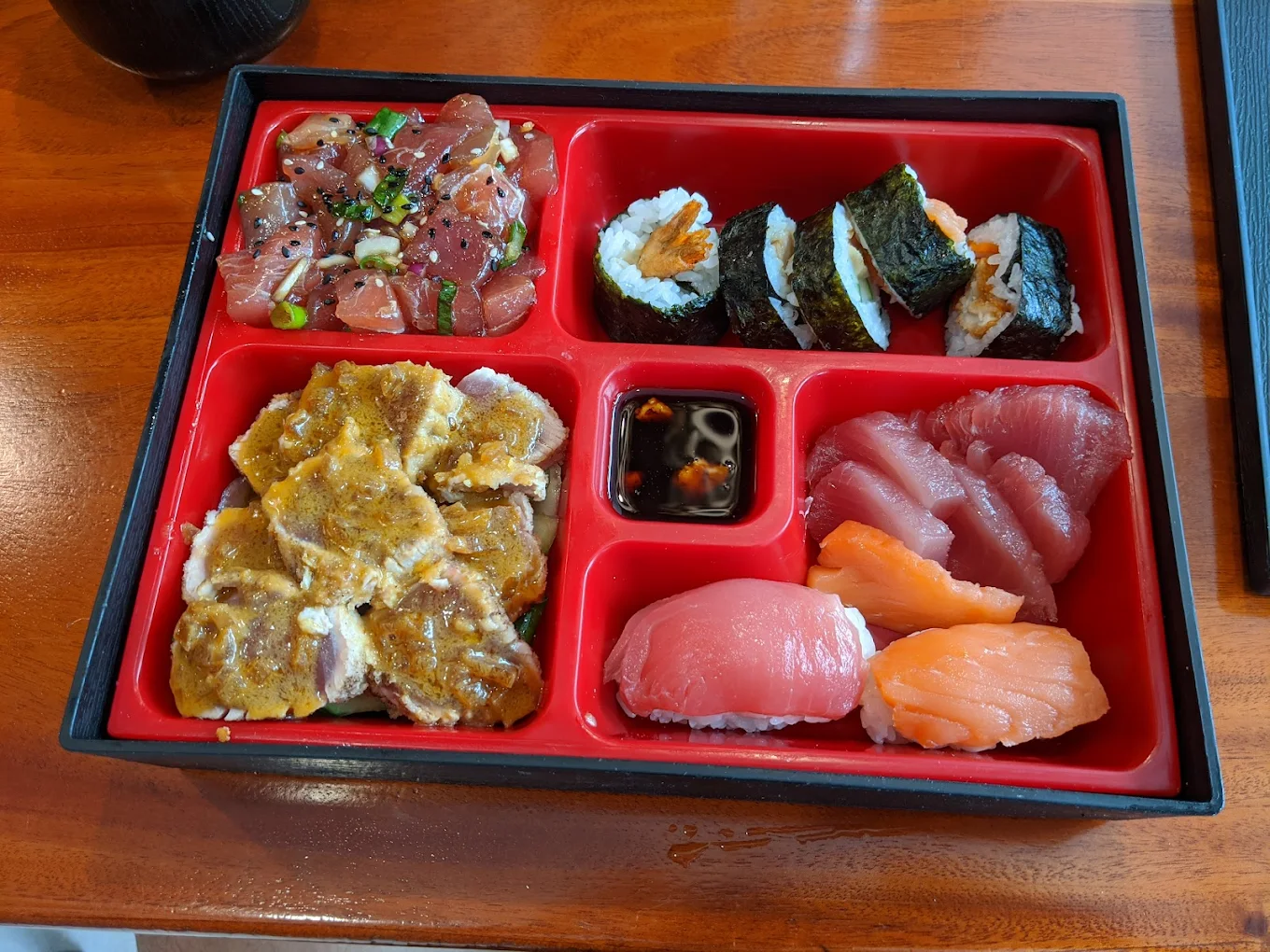
Fiji’s tuna industry also plays a critical role in feeding the nation. Affordable bycatch and non-export-grade tuna are sold locally, helping to provide a nutritious protein source for Fijian households. This supports community food security and reduces dependence on imported protein sources.
Revenue for Government and Public Services
Tuna fishing contributes millions annually in fishing licenses, port fees, taxes, and levies. These public revenues help fund essential services and strengthen oversight for sustainable fisheries management.
A Broad Industry Ecosystem
The sector powers a complex value chain — from ship supplies, cold storage and ship repair to transport, export documentation, and regulatory services. It is a key enabler of economic activity across multiple sectors, and an anchor industry for Fiji’s ocean economy.
Employment and Livelihoods
The sector directly supports over 2,500 jobs, and thousands more through upstream and downstream industries — including gear supply, fuel, engineering, packaging, and logistics. These jobs offer income, maritime skills, and local employment, especially in Suva and outer island communities.