The Fiji Fishing Industry Association (FFIA) is committed to leading the transformation and modernization of Fiji’s longline tuna fishing sector. Our priorities focus on enhancing competitiveness, ensuring compliance with international standards, and securing a sustainable future for the industry and the communities it supports. Our current strategic goals include:
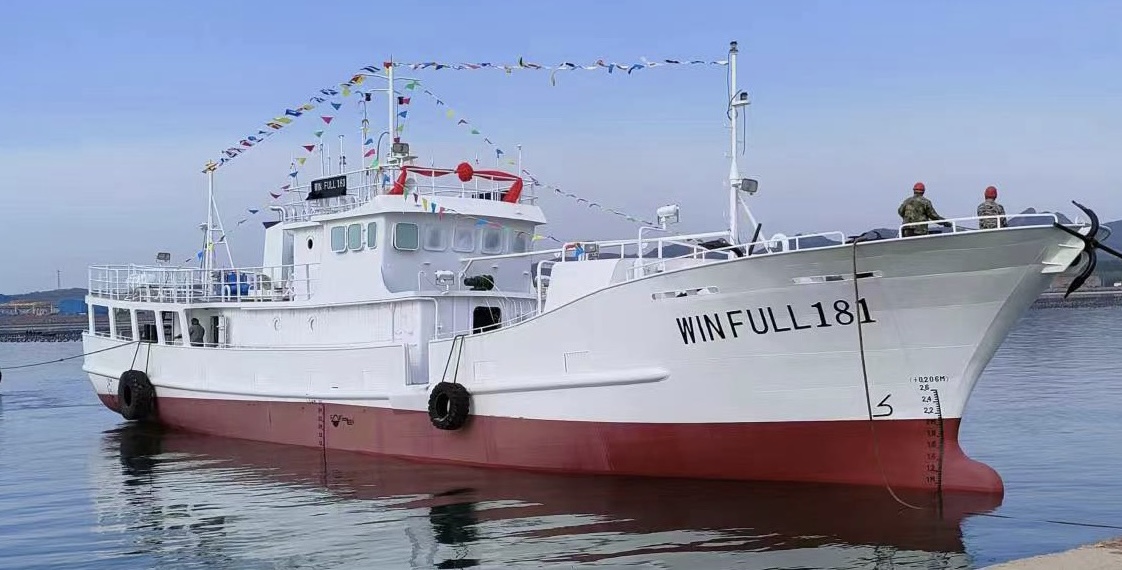

Fleet Modernization
A large segment of Fiji’s longline fleet is aging, which presents ongoing challenges in terms of operational efficiency, crew safety, environmental impact, and competitiveness. FFIA is actively engaging with government agencies, development partners, and financial institutions to facilitate the replacement of outdated vessels with modern, energy-efficient, and fully compliant alternatives. A modernised fleet will be essential to meet emerging market expectations, improve environmental performance, and ensure long-term operational viability.

Strengthening Monitoring, Data, and Certification Readiness
Accurate, reliable, and comprehensive data is critical to maintaining international certifications such as the Marine Stewardship Council (MSC). Given the logistical constraints in deploying human observers on every voyage, FFIA is working with the Ministry of Fisheries for the adoption of Electronic Monitoring Systems (EMS) across the national fleet. Also to be noted that Fiji successfully hosted the FAO/GEF funded project to trial EMS onboard 40 Fiji longline vessels, and we look forward to seeing that it becomes a programme under the Ministry’s activities.

Sustainability and Climate Resilience
FFIA champions climate resilience and environmental stewardship across the fishing sector. We advocate climate-smart fishing techniques, pursue renewable energy innovations, and back policies that safeguard marine biodiversity while honoring customary fishing rights. By collaborating with governments, NGOs and regional partners, we strengthen the industry’s ability to adapt and advance broader ocean-health and climate-action goals.These strategic priorities reflect FFIA’s vision of a modern, ethical, and resilient fishing industry—one that balances environmental responsibility with economic opportunity and continues to contribute meaningfully to Fiji’s blue economy.

Marine Protected Areas (MPAs) and the 30×30 Initiative
The global 30×30 initiative, to which the Fijian Government has a commitment, aims to protect 30% of the world’s oceans by 2030 through the establishment of Marine Protected Areas (MPAs). While this is a global conservation goal, its implementation in Fiji, particularly the proposal for the 30% “no-take” within our EEZ, raises serious concerns.
The proposed “no-take” MPAs, comprising fifteen (15) patches within our EEZ, will result in vessels having to add 20% to avoid their lines drifting into the declared MPA patches. The closure will significantly threaten the viability of the national fleet and the livelihoods that depend on it.
The Fiji EEZ has been fished sustainably for decades under strong national laws and the conservation and management measures (CMM) of the WCPFC, to which the international certification of the Marine Stewardship Council (MSC) standards are aligned.
FFIA has actively participated in the two (2020 and 2025) national consultations on the 30×30 initiative and has consistently communicated our position to the government.
In the latest consultation (2025), the Association reiterated at the gathering that our vessels fished up to 400m – 500m depths, and that we avoid contact with the seabed. At the same time, we demanded any scientific evidence that we are the cause of the deprivation of biodiversity within our EEZ, and the response received is the “commitment”.
We also shared the link to the failed large-scale MPA and the world’s largest (the Phoenix Islands Protected Area (PIPA) of Kiribati so that our government can learn from.